
Spain, a vibrant and diverse country in southwestern Europe, is a captivating destination known for its rich history, stunning landscapes, world-class cuisine, and warm Mediterranean climate. From the bustling streets of Barcelona to the tranquil beaches of the Costa del Sol and the historic charm of Madrid, Spain offers a wide range of experiences for every traveler. In this comprehensive Spain travel guide, we’ll take you on a journey through the best places to visit in Spain, helping you plan an unforgettable trip to this enchanting country.
Table of Contents
- Introduction to Spain: A Land of Rich Culture and History
- Top Places to Visit in Spain
- Exploring Spanish Cuisine: A Gastronomic Adventure
- Travel Tips for an Unforgettable Journey
- Safety and Health Precautions
- Conclusion: Viva España!
1. Introduction to Spain: A Land of Rich Culture and History
Before we dive into the best places to visit in Spain, let’s take a moment to appreciate the rich tapestry of culture and history that makes this country so extraordinary. Spain has been shaped by centuries of diverse influences, from the Phoenicians and Romans to the Moors and the Catholic Monarchs. This historical blend is evident in its architecture, traditions, and way of life.
The country is also known for its passionate people, who celebrate life through music, dance, and festivals. Spain is famous for flamenco, bullfighting, and the lively atmosphere that can be felt in every corner of the country.
2. Top Places to Visit in Spain
Spain is a land of contrasts, offering a plethora of places to explore. Here are some of the top destinations to consider when planning your Spanish adventure:
a. Barcelona
Barcelona, the capital of Catalonia, is a city of architectural wonders, vibrant neighborhoods, and beautiful beaches. Highlights include:
- La Sagrada Família: Antoni Gaudí’s masterpiece, an iconic basilica known for its stunning architecture.
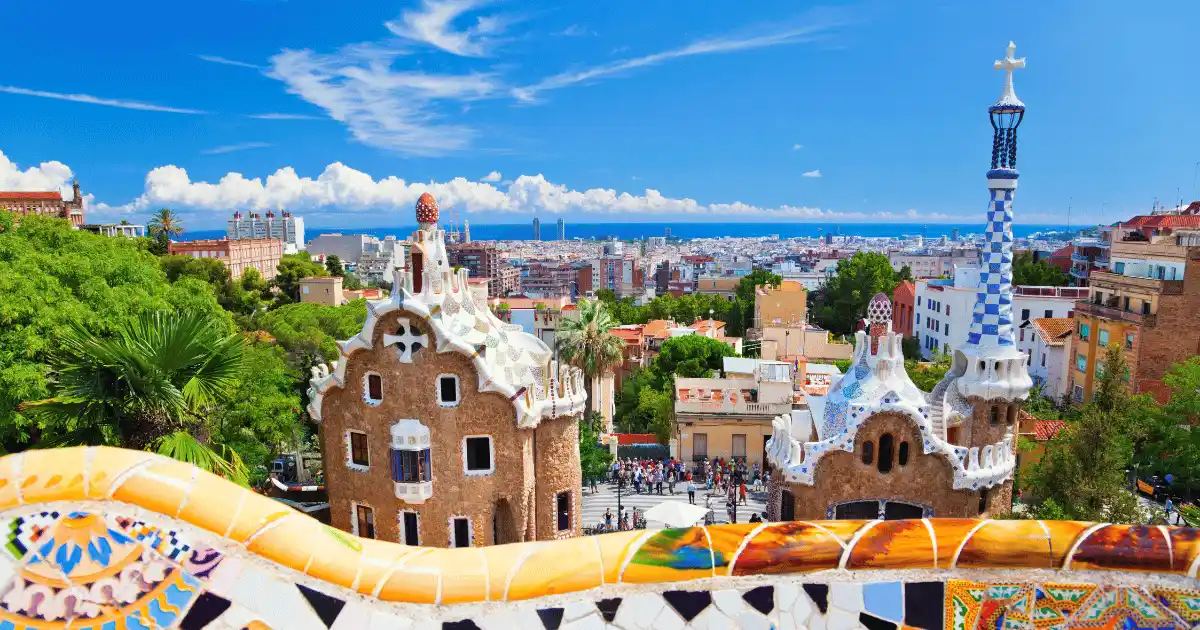
- Park Güell: A whimsical public park with colorful mosaics and unusual structures.
- Gothic Quarter: A historic district with narrow streets, medieval buildings, and lively squares.
- Beaches: Enjoy the Mediterranean Sea at beaches like Barceloneta.
b. Madrid
As the capital and largest city of Spain, Madrid offers a blend of history, art, and modernity. Notable attractions include:
- Prado Museum: Home to a remarkable collection of European artwork, which includes pieces by El Greco, Velázquez, and Goya
- Royal Palace: Explore the official residence of the Spanish royal family.
- Retiro Park: A peaceful urban oasis with manicured gardens and a boating lake.
- Puerta del Sol: The heart of Madrid, where you’ll find the iconic clock and Kilometer Zero.
c. Seville
Seville is a city in southern Spain known for its passionate flamenco culture and stunning architecture. Must-see places include:
- Alcázar of Seville: A royal palace known for its intricate Moorish design and lush gardens.
- Seville Cathedral: The largest Gothic cathedral in the world, featuring the Giralda bell tower.
- Plaza de España: A grand square with a semicircular building showcasing Spain’s provinces.
- Barrio Santa Cruz: A historic Jewish quarter with narrow alleys and charming courtyards.
d. Granada
Granada, located in Andalusia, is famous for the majestic Alhambra and its medieval history. Key attractions include:
- Alhambra: A UNESCO World Heritage site, this palace complex is a masterpiece of Islamic architecture.
- Generalife: The stunning gardens adjacent to the Alhambra, offering beautiful views of the city.
- Sacromonte: A historic neighborhood known for its cave houses and flamenco shows.
- Carrera del Darro: A picturesque riverside street with charming old buildings.
e. Valencia
Valencia is known for its futuristic architecture, beautiful beaches, and delicious cuisine. Top places to visit include:
- City of Arts and Sciences: Santiago Calatrava created a complex of futuristic buildings..
- La Lonja de la Seda: A UNESCO-listed silk exchange with intricate Gothic architecture.
- Valencia Cathedral: Home to the Holy Grail, according to tradition.
- Malvarrosa Beach: A lively urban beach with a promenade and seafood restaurants.
f. Cordoba
Cordoba is a city steeped in history, known for its blend of Moorish and Christian influences. Key sites include:
- Mezquita-Catedral: A unique mosque-cathedral with a stunning forest of columns and arches.
- Alcázar de los Reyes Cristianos: A historic palace with beautiful gardens and Roman mosaics.
- Patios of Cordoba: In May, locals open their courtyards for a colorful festival.
g. San Sebastián
San Sebastián, located in the Basque Country, is famous for its culinary scene and picturesque beaches. Highlights include:
- La Concha Beach: A stunning beach surrounded by belle-époque architecture.
- Old Town (Parte Vieja): A charming area with narrow streets and pintxos (Basque tapas) bars.
- Monte Igueldo: A hill offering panoramic views of the city and the bay.
h. Costa del Sol
The Costa del Sol is a sun-soaked coastline in southern Spain, featuring beautiful beaches and charming towns. Popular destinations include:
- Málaga: A coastal city with a historic old town and the Picasso Museum.
- Marbella: A glamorous town with luxury resorts, a picturesque old town, and upscale restaurants.
- Nerja: Known for its stunning Balcony of Europe viewpoint and beautiful beaches.
3. Exploring Spanish Cuisine: A Gastronomic Adventure
Without indulging in Spain’s famed cuisine, a trip would not be complete. Spanish cuisine is tasty, varied, and rich in history. Here are a few dishes and culinary adventures you really must try:
- Paella: A classic Valencian rice dish cooked with saffron, vegetables, and your choice of seafood, chicken, or rabbit.
- Tapas: Small plates of various dishes, such as patatas bravas (fried potatoes with spicy sauce), jamón ibérico (cured ham), and croquetas (croquettes).
- Gazpacho: A refreshing cold tomato soup, perfect for warm summer days.
- Churros with Chocolate: A popular breakfast or dessert, churros are deep-fried dough served with thick hot chocolate for dipping.
- Pulpo a la Gallega: Sliced octopus drizzled with olive oil, paprika, and salt, a specialty of Galicia.
- Wine Tasting: Spain is one of the world’s largest wine producers, and wine regions like Rioja and Priorat offer excellent opportunities for wine tasting.
4. Travel Tips for an Unforgettable Journey
To ensure your trip to Spain is memorable and hassle-free, consider these travel tips:
- Best Time to Visit: The best time to visit Spain is during the spring (April to June) and the fall (September to November) when the weather is pleasant, and tourist crowds are manageable.
- Language: While Spanish is the official language, English is widely spoken in tourist areas. Learning a few basic Spanish phrases can enhance your experience.
- Currency: Spain uses the Euro (€). It’s advisable to carry some cash, but credit cards are widely accepted.
- Public Transportation: Spain has an efficient and well-connected public transportation system. Consider purchasing travel cards or passes for convenient access to buses, trams, and trains.
- Safety: Spain is generally a safe country for travelers. Exercise common sense by safeguarding your belongings and staying aware of your surroundings, especially in crowded areas.
- Local Festivals: Check the local festival calendar. Attending traditional festivals like La Tomatina in Buñol or the Running of the Bulls in Pamplona can be a unique cultural experience.
- Travel Insurance: Consider purchasing comprehensive travel insurance to cover potential emergencies, including medical issues, trip cancellations, or lost luggage.
5. Safety and Health Precautions
Ensuring your safety and health is paramount when traveling. Here are some safety and health precautions to consider:
a. Health Precautions: Make sure you are up-to-date on routine vaccinations and consult your healthcare provider for any specific travel vaccines. Carry any necessary prescription medications with you.
b. Travel Insurance: Invest in travel insurance that covers medical emergencies, trip cancellations, and lost belongings.
c. Safety Precautions: Spain is generally a safe destination, but always be cautious with your belongings, especially in crowded areas.
d. Emergency Services: Familiarize yourself with local emergency numbers and know the location of the nearest embassy or consulate.
6. Viva España!
Spain is a country that offers a diverse range of experiences, from exploring historical treasures to savoring world-class cuisine and relaxing on picturesque beaches. With this comprehensive travel guide, you’re well-equipped to plan an unforgettable journey through the best places to visit in Spain. So, pack your bags, immerse yourself in the Spanish culture, and get ready to create lasting memories in this beautiful and dynamic country. Viva España!